

large round mirror with lights
The Importance of Surface Plates Precision Tools in Manufacturing and Engineering In the realm of manufacturing and engineering, precision is paramount. One of the key tools that ensure accuracy and reliability in measurement is the surface plate. A surface plate is a flat, stable, and rigid platform used in various applications, including inspection, tooling, and assembly. The role of a surface plate in the manufacturing environment cannot be overstated, as it serves as the foundation upon which measurements are made and components are aligned. Types of Surface Plates Surface plates come in various materials, each suited for specific applications. The most common materials include granite, cast iron, and stainless steel. Granite surface plates are widely favored due to their durability, resistance to wear, and excellent stability. They are less susceptible to thermal expansion, making them ideal for precision measurements. Cast iron plates, known for their strength and rigidity, are often used in environments where heavy machinery is involved. Meanwhile, stainless steel plates are resistant to corrosion, making them suitable for applications in chemically aggressive environments. Applications of Surface Plates Surface plates are crucial in several applications. In inspection and quality control, they provide a flat reference surface against which measurements can be taken. For instance, when measuring the dimensions of a machined part, placing the component on a surface plate allows for accurate readings using calipers, micrometers, or height gauges. This is essential for maintaining the required tolerances in production, ensuring that parts fit together correctly in assemblies. Moreover, surface plates are instrumental in gauge setting and fixture creation. They allow engineers and technicians to set up accurate jigs and fixtures for repetitive machining processes. By providing a flat reference, surface plates help ensure that parts are consistently oriented, reducing errors and increasing efficiency in manufacturing operations. surface plate used for Maintaining Surface Plates To fully utilize the advantages of surface plates, proper maintenance is crucial. Regular cleaning is essential to prevent the accumulation of dirt, oils, and debris, which can affect measurement accuracy. It is also important to ensure that the plates are kept free from damage such as chips or scratches, as these imperfections can compromise their flatness. Proper storage and handling are vital; surface plates should be stored in a clean environment, ideally in a dedicated space free from vibration and heavy foot traffic. Advancements in Surface Plates With advancements in technology, surface plates have seen improvements in design and functionality. Digital measuring systems and coordinate measuring machines (CMMs) are increasingly being integrated with traditional surface plates, allowing for more sophisticated inspection techniques. These modern systems enhance the capabilities of surface plates, making them not only a reference point but also an integral part of automated measurement processes. Conclusion In summary, surface plates are essential tools that support precision and accuracy in manufacturing and engineering. Their role in inspection, tooling, and assembly processes cannot be underestimated. As materials and technologies evolve, the effectiveness and applications of surface plates will continue to expand. Manufacturers and engineers who understand the importance of these fundamental tools are better equipped to produce high-quality products that meet strict standards of excellence. Whether in a small workshop or a large production facility, the significance of the surface plate as a reliable platform for precision work remains steadfast in the pursuit of quality and accuracy.
about
large round mirror with lights
Understanding Gauge Pin Class A Comprehensive Overview In the realm of precision engineering and manufacturing, the concept of gauge pin classes plays a pivotal role in ensuring measurement accuracy and quality control. Gauge pins are often utilized as reference tools in the checking of dimensions, particularly in hole diameters, and it is essential to comprehend the various classes and standards associated with them. What are Gauge Pins? Gauge pins, also known as gauge blocks or precision pins, are cylindrical tools used to measure or check the diameter of holes accurately. Typically made from high-quality steel or carbide, these pins are designed to provide a specific diameter that is standardized, allowing for consistent measurements across various applications. They are integral to the fields of manufacturing, quality assurance, and mechanical engineering. Classification of Gauge Pins Gauge pins are classified according to their tolerances, which define how much deviation from the nominal size is permissible. These tolerances are critical to ensure that the parts being manufactured fit together correctly. The common classes of gauge pins include 1. Class A These pins have the tightest tolerances and are used in applications where precision is paramount. They are ideal for industries that require high-quality measurements and fittings, such as aerospace and automotive sectors. 2. Class B This class allows for slightly larger tolerances than Class A while still maintaining high levels of accuracy. Class B gauge pins are often used in situations where some degree of tolerable variation is acceptable, making them versatile for general engineering applications. 3. Class C Class C pins have the widest tolerances and are typically employed in applications where precision is less critical. They are commonly used in initial checking processes or for parts that do not require a high level of accuracy. gauge pin class The classification of gauge pins ensures that engineers and quality control professionals can choose the right tool for their specific needs, improving efficiency and accuracy in the manufacturing process. Standards and Measurement The tolerances associated with gauge pins are defined by various international standards. One of the most recognized standards is ISO (International Organization for Standardization) 286, which outlines the general principles of dimensional tolerancing. These standards are crucial as they provide a universal language for manufacturers, helping to ensure that different components fit together seamlessly regardless of where they were produced. Accurate measurement using gauge pins involves the right techniques. For instance, when measuring a hole, the pin should be inserted with a steady force to avoid altering the reading due to unexpected flexing or misalignment. It’s also vital to ensure that the pins are clean and free from debris to maintain the integrity of the measurements. Applications of Gauge Pins Gauge pins are widely used across various industries. In manufacturing, they are used to verify hole sizes, ensuring that parts assemble correctly. In quality control, they help in validating the production processes by confirming that components meet specified tolerances before they leave the factory. Moreover, in the tool and die industry, gauge pins are used as references for creating molds and dies, which must be manufactured to exact specifications. They also find applications in the calibration of measuring equipment, providing reliable benchmarks that enhance the precision of other measurement tools. Conclusion In conclusion, gauge pin classes are essential elements in the field of precision measurement and quality assurance. Understanding the different classes, tolerances, and applications of gauge pins enables engineers and manufacturers to select the right tools for their specific needs, promoting high standards of accuracy and efficiency in production. As industries continue to demand higher precision, the importance of gauge pins and their classification will only grow, underscoring their integral role in the future of manufacturing and engineering. Whether in aerospace, automotive, or general engineering, the significance of gauge pins remains undeniable, confirming their place as indispensable tools in the quest for quality and precision in modern manufacturing.
-

High quality industrial productsagement

High quality industrial products
View Details -

Meet the diverse needs of customers

Meet the diverse needs of customers
View Details -

Strict quality control

Strict quality control
View Details -

Top raw materials

Top raw materials
View Details -

Trusted supplier

Trusted supplier
View Details
Our application


news and information

Wholesale Options for High-Quality Ball Valves at Competitive Prices
The Benefits of Wholesale Ball Valves for Industrial Applications Ball valves are crucial components

Válvula de retenção de 6% para aplicações industriais e automotivas eficazes.
Válvulas de Retenção de 6% Importância e Aplicações As válvulas de retenção, também conhecidas como
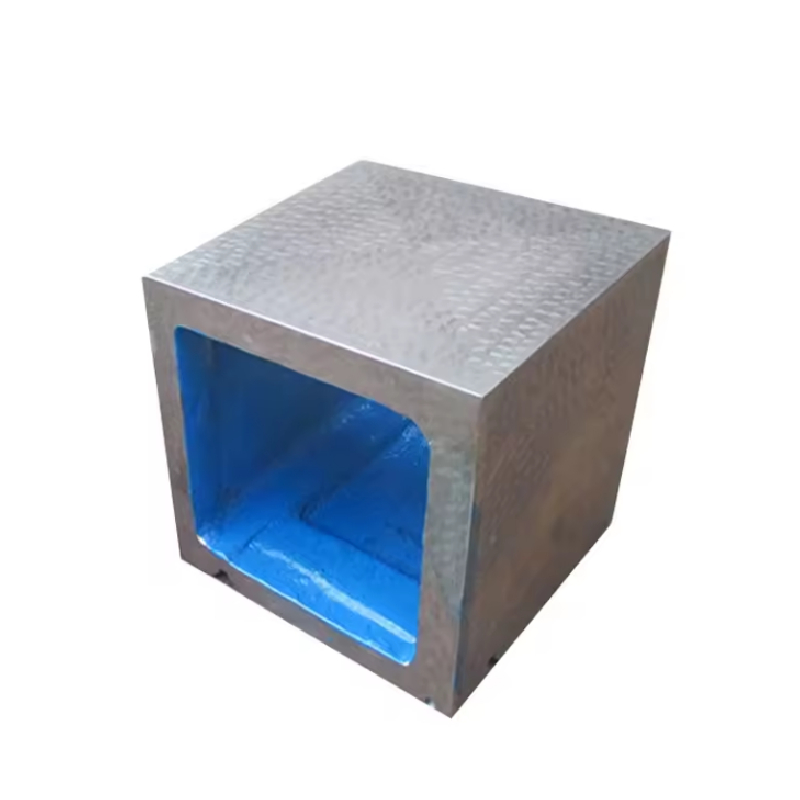
V Blocks for Sale_ Types, Uses, and Best Heavy-Duty Frame V Options
V blocks and Vee blocks are essential tools in machining, metalworking, and inspection processes. Th
 English